Join us for service at:
Meadowbrook Country Club
2149 N. Green Bay Road
Racine, WI 53405
Sunday Summer Services 10 a.m.



Broken
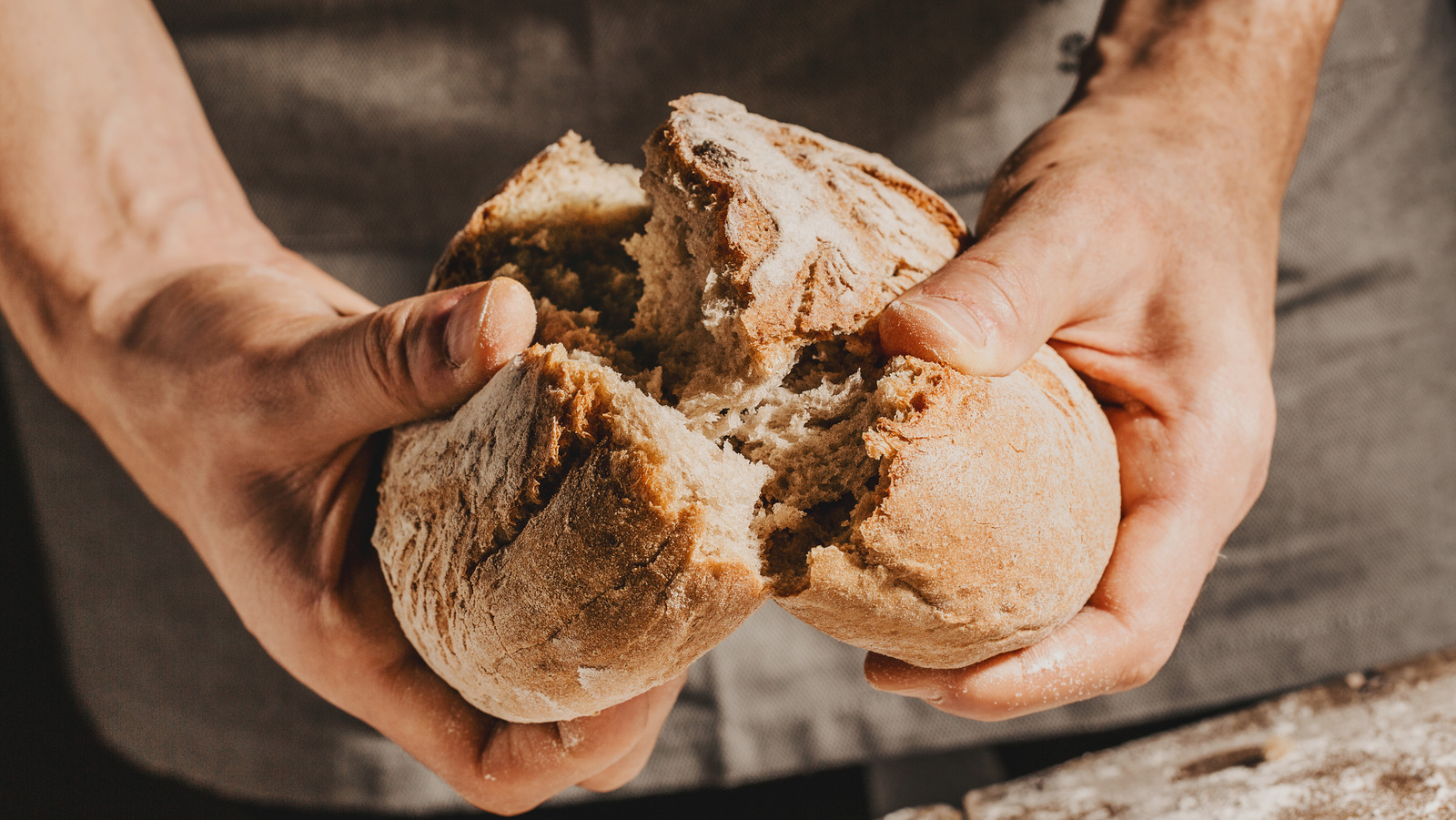
At the core of who we are—our souls, our deepest and most authentic selves—we are blessed. We are beauty and blessing. Yet we are also broken. In the Christian story, Jesus broke bread and said, “This is my body, broken for you,” an action that pointed toward his approaching death. It also offers a powerful metaphor for the human experience.
Every one of us is broken in some way. As Elizabeth Lesser, in her book Broken Open, observes, “No one’s life is really what it looks like on Instagram.” Social media is hardly the only place we conceal our wounds. Sadly, most of us become very skilled at hiding our broken places or locking them away.
Can you remember the first time you felt broken—the first hurt that stayed with you? I can. Alongside good early memories, I remember being teased for wearing glasses, excluded on the playground, laughed at in music class, and made to feel that I was not good enough. Brokenness begins early, and the hurts accumulate. Perhaps that is one reason we struggle to recognize our own blessedness and inner beauty.
We move through life carrying scars. Some wounds remain open because we keep returning to them—or because we never learned how to let them heal. Few of us are taught how to care for emotional wounds. When boys were mean to me on the playground, my dad told me to kick them in the shins. While that response was momentarily satisfying, it was certainly not a path toward healing.
The sources of our brokenness are countless. They include death, abuse, divorce, betrayal, mistakes, physical pain, job loss, bullying fears, addiction, estrangement, worry and failure. Our brokenness also often stems from loss. And there are many kinds of loss – ability, meaning, dreams, relationships, innocence, security.
Pain makes us vulnerable. Our inner lives—our fears, grief, and tender places—feel exposed. The instinctive response is often to shut down: hide the wound, keep others at a distance, pretend nothing is wrong, and bury the hurt. This is what I think of as being broken closed.
When hurt remains buried, it can shape our lives in painful ways:
- Isolation
- Fear of being exposed
- Pain that festers and erupts in unhealthy ways
- Difficulty being authentic because we fear others will think less of us
- Anger and bitterness
- Emotional and physical strain
- Reluctance to love deeply for fear of being hurt again
The spiritual path invites us to break open instead. That does not mean glorifying pain or exposing ourselves indiscriminately. It means meeting our wounds honestly and seeking the support we need. We might:
- Talk with people who have earned our trust
- Seek therapy or other professional support
- Join a support group
- Lean into suffering and vulnerability
- Ask for prayer and spiritual support
- Share our journeys in ways that help others
- Learn and grow
- Allow our brokenness to transform us
Wavy Gravy—activist, humanitarian, and Woodstock’s 1969 master of ceremonies—often told audiences, “We’re all Bozos on the bus, so we might as well sit back and enjoy the ride.” His humor points toward a liberating truth: we are all human. We make mistakes. We hurt others and are hurt in return. We’ve all been selfish, unreliable, and afraid.
There is no bus reserved for people with perfect bodies, perfect health, perfect happiness, and perfectly harmonious families. Every road has bumps, potholes, detours, and construction.
Once we accept that we are all imperfect, we can stop pretending otherwise. We can admit our woundedness, respond to ourselves with compassion, and even lighten up about some of our scratches and dents. Honesty creates room for healing, growth, and genuine connection.
In Life of the Beloved, Catholic priest and spiritual writer Henri Nouwen suggests two responses to brokenness. The first is to befriend it: to accept suffering as part of life, turn toward it, and listen to what it has to say. Our instinct is often avoidance or denial, but unattended wounds can fester or surface elsewhere. To be broken open is to face pain with honesty and care.
Elizabeth Lesser offers questions that can help: “What have you come to teach me? How can I use this situation to become wiser, braver, kinder, stronger? What can I learn about myself, my choices, and my reactions? How do I find the light shining through the cracks?”
That final image echoes Leonard Cohen’s well-known line: “There is a crack in everything. That’s how the light gets in.” For me, that light is love, God, and healing.
Nouwen’s second response is to see our brokenness in the light of our blessedness. We must not allow our wounds to reinforce deep-seated fears that we are unworthy. It makes a difference to allow our blessedness to be the background or support underlying our woundedness.
Nouwen believed that difficult burdens become lighter when they are carried in the light of blessing. What once seemed intolerable can become possible; what felt only harsh can become an invitation to learn and grow. Even suffering can deepen reflection, strengthen our connection with the divine, and enlarge our capacity for compassion.
We cannot grow into the fullness of who we are without recognizing both our blessedness and our brokenness. This is the lifelong work: breaking open, healing, growing, and becoming.
Love & Light!
Kaye